
While the world grapples with sustainable food trends and options for its growing population, solutions often lie in innovating age-old traditions.
Plant-based meat—mock meat, vegan meat, vegetarian meat, or any other moniker of your choosing—isn’t a recent trend. Its spread and commercialisation might be, but the idea of substituting meat with reliable alternatives can be traced back to older Asian and European cultures. This concept is now being modernised to fight the substantial environmental burden the meat enterprise exerts on the planet. Learn more about these products and how they can elevate a food industry stretched to its limit!
Understanding Plant-Based Meat
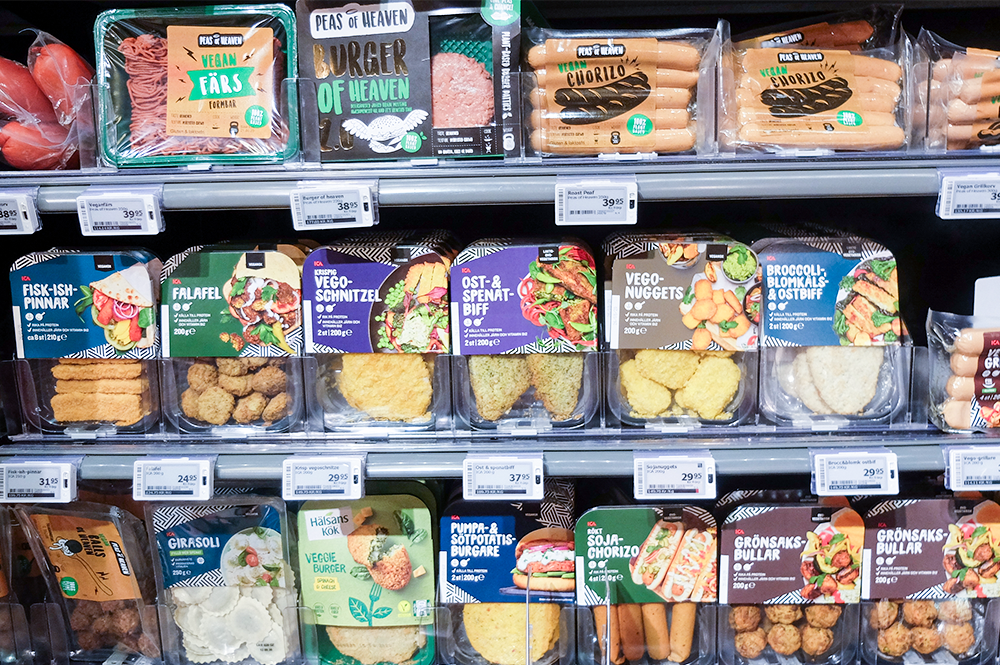
Plant-based meat products are on the up: They continue to be added to restaurant menus and even find room in non-commercial spaces like airline catering and hospitals. Euromonitor estimated the total global retail sales of plant-based meat and seafood would reach USD 6.4 bn in 2023, while invested capital in plant-based foods in 2023 totalled USD 908 mn (making up 11% of all investments from 2006 onwards) as per the Good Food Institute (GFI). In the United States, 36 per cent of consumers reported eating plant-based meat in 2023, according to research conducted by Morning Consult/GFI. The rising popularity of plant-based meat is due to a complex mix of reasons. We’ll outline global trends and the advantages tilting the scales in favour of plant-based steak, sushi, and boiled eggs as increasingly mainstream options. Watch out further as companies bring together their expertise and brand equity to give us unheard-of gems like plant-based pizzas and 3D-printed plant-based bacon!
What is Plant-Based Meat?
So, what is plant-based meat exactly? Besides the obvious, that is.
What is plant-based meat made of? Structurally, it is composed of proteins from items such as soya, tofu, chickpea, wheat, barley, and other foods. It can also be prepared with mycoprotein, a food-grade protein derived from the fungus Fusarium venenatum. Since plant proteins differ from animal proteins on a molecular level, it involves complex processing parameters to mimic the flavour profile of meat products like beef, chicken, and pork. Mock meat might not outshine real meat in a blind test, but technological improvements and research could get us there one day.
The technology is already working wonders. Plant-based meat differs from real meat from a chemical standpoint—for instance, due to the nature of the saturated fats present in these products, the feeling in the mouth isn’t the same as real meat. This leads to plant-based alternatives lacking in terms of the palate experience. But flavour design is solving the issue and finding ways to accurately replicate the feel of biting into a juicy, tender piece of meat.
How It’s Made: The Process Behind Plant-Based Meat
The process of creating plant-based meat involves several key steps:
In recent years, new sources of ingredients, new cultivation methods, and novel techniques to optimise taste, texture, and nutrition have changed the plant-based meat manufacturing landscape. Developments like animal-free fats and emulsifiers, as well as aquatic, leguminous, and upcycled protein sources, are a few advancements steering the industry towards more efficient practices. We’ve also seen improved scalability of traditional texturisation methods like extrusion. Meanwhile, newer bottom-up methods like fibre spinning have opened more possibilities for scalable plant-protein texturisation.
Benefits of Plant-Based Meat
There’s a reason why people are curious and gravitating towards vegan meat. Plant-based meat has numerous advantages:
Health Benefit
Vegan meats are generally lower in saturated fat and have zero cholesterol compared to their counterparts, meaning they’re good for the heart (more on that later). They also have the potential to be reinforced with added nutrients like fibre, vitamins, and minerals, enhancing their appeal as healthy alternatives.
31% of US fish consumers have concerns about heavy metals when shopping for fish and shellfish products ( Kantar Profiles/Mintel, January 2024 ). Elsewhere, in Asia, consumers are opting for more balanced diets as chronic diseases are on the rise. Similarly, despite Americans loving their meat, many have expressed interest in reducing their consumption due to health concerns. And plant-based meat manufacturers are listening to consumer preferences and grievances. According to Mintel, 31% of fish and hardshell-flavoured meat substitutes in Europe between 2023 and 2024 featured a protein claim, while 17% featured the vitamin/mineral fortified claim. A glimpse at the market will show brands are launching products high in omega-3, vitamin B12, and vegetable protein.
Environmental Impact
Producing plant-based meat leaves a lower carbon footprint than traditional meat production. Even better, compared to livestock, which accounts for 80% of agricultural land use, mock meat requires far less land, water, and energy. The resulting greenhouse gas emissions are significantly lower and could be hugely consequential as countries commit to their emission goals. For example, there are burger patties in the market that generate 90 per cent fewer greenhouse gas emissions and use 97 per cent less water and land than an average conventional beef patty!
Ethical and Animal Welfare Considerations
Plant-based and vegan meat can shift the food economics landscape and balance the disproportionate manner in which animals are slaughtered. Continuous dialogue in this regard can get the message across and hopefully reduce the need for factory farming.
Types of Processed Plant-Based Meat
In addition to these benefits, the plant-based meat market offers diverse products to cater to different industry requirements and dietary needs. Some of the most popular types include:
Burger Patties
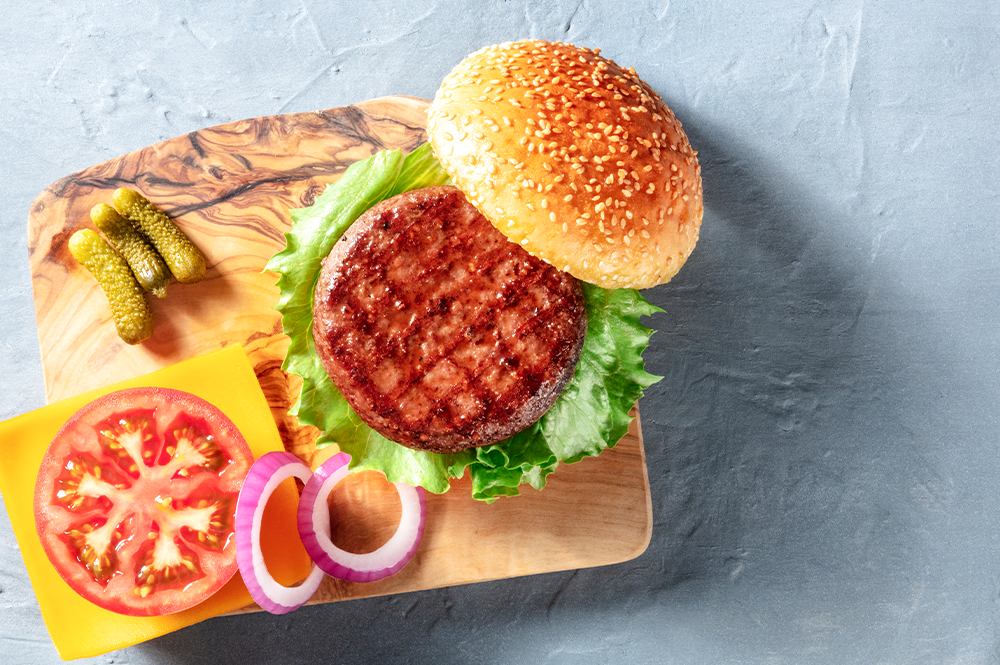
The signature plant-based meat product is often made from jackfruit, soya and peas. And even nuts and grains. Probably the most commonly available meat alternative on the market, they’re vital to winning over people and introducing them to the possibilities of plant-based meat substitutes.
Source: Fortune Business Insights

Sausages and Hot Dogs
Plant-based sausages and hot dogs are popular with even the Germans, who own a proud meat culture! Vegan bratwursts, besides numerous other types, can be found in supermarkets, giving eco-conscious consumers a sustainable and identical alternative for their quick bites. Anything from soya protein to wheat gluten is used to make these fantastic creations.
Plant-Based Chicken and Seafood Alternatives
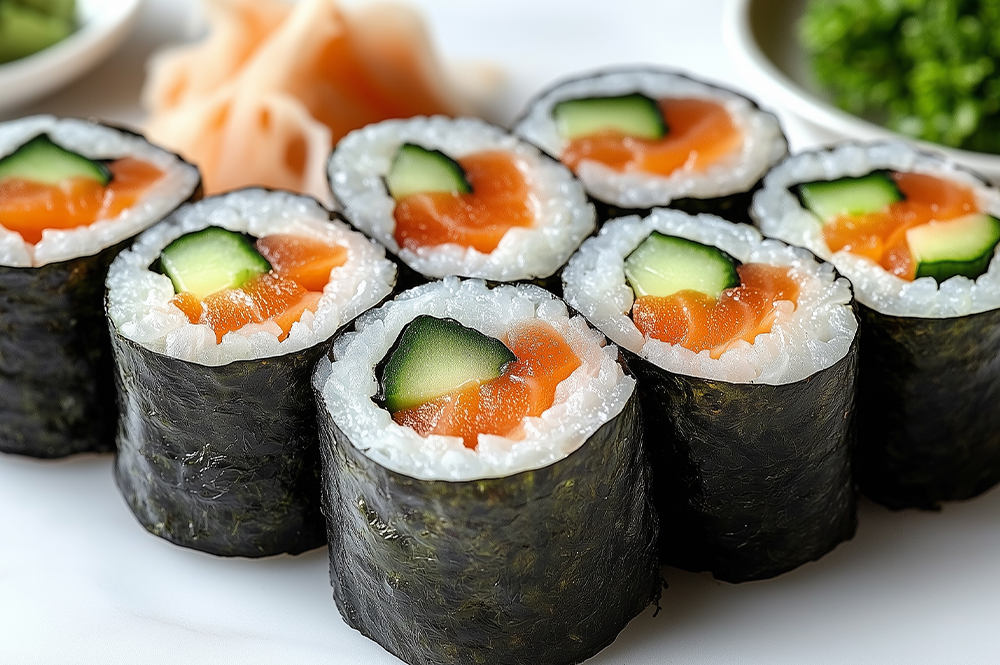
Vegan salmon, sushi, calamari, and other seafood alternatives are packed with omega-3 from nuts and seeds. Manufacturers are able to imitate an umami taste with mushrooms and replicate the ocean’s distinct flavour with seaweed species. Similarly, alternatives to chicken roasts and nuggets are also appealing to people with their texture and taste.
Source: Fortune Business Insights
Ground and Mince
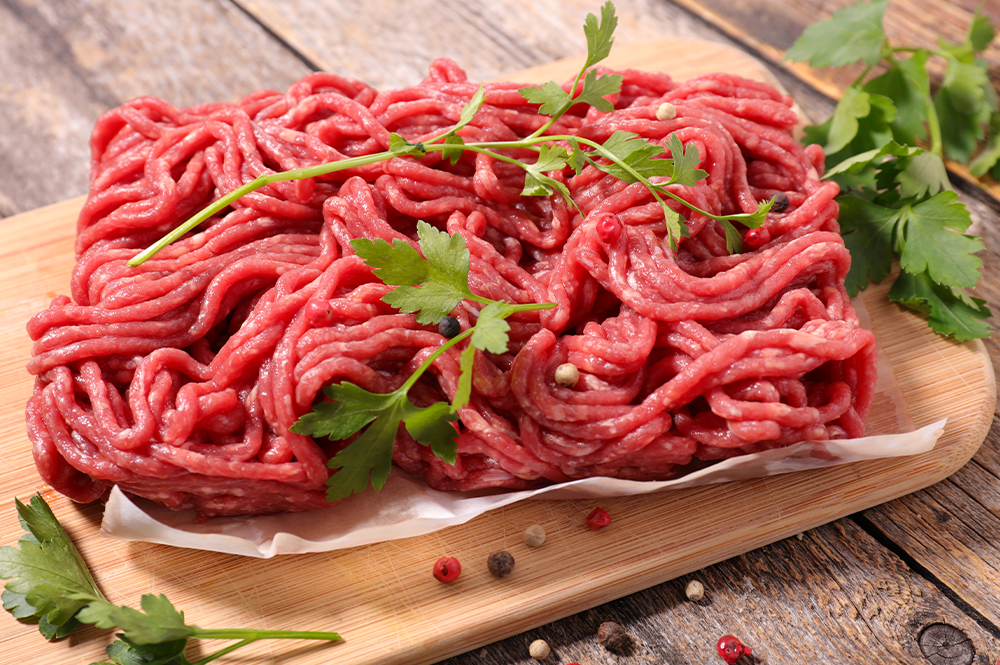
Perfectly reproduced ground and minced products can be used in several recipes, such as meatloaf and tacos. They are often made from soya or pea protein.
Are Plant-Based Meat Products Truly Healthy?
Plant-based meat products are healthier in certain contexts and definitely in comparison to actual meat. In moderation, they can complement balanced diets while lowering some risks associated with traditional meat. Research indicates cardiovascular benefits to meat analogues, with clinical trials revealing that individuals who ate plant-based alternatives exhibited lower cholesterol and blood pressure levels. By and large, these options have lower saturated fats. And despite lacking the nutrients found in real meat, they can be loaded with them during the manufacturing process.
Plant-based meats will have the weight of the ‘ultra-processed’ tag over them, but that doesn’t automatically negate their benefits. This does mean there are some caveats—while packed with protein, it’s important to read these products’ labels and avoid ones with high sodium, added sugars, and artificial additives.

Source: Fortune Business Insights
The Choice Is Yours to Make
Plant-based meats might not banish true meat from recipes and menus. But what they can offer us now is a blueprint for how to push ahead and tackle climate concerns. What we have right now might not be the perfect, mouth-watering representations we’d like to have. But their possible contribution to the food system, the environmental impact, the potential to generate thoughtful discourse, and the relative health benefits are more than useful. With more innovation in plant-based alternatives around the corner and strides in flavour technology anticipated, expect more delicious products to come along and change the course of history!